
If you’re wondering do you need a permit to detect on Swansea beach in Wales in 2025 then stick around as I’m about to tell you.
Yes, you do need a permit from Swansea City Council to use your metal detector on Swansea beach.
Good news is that it’s free to obtain and gives you access to some great parks, such as Singleton Park, Clyne Gardens, and many others. Just remember to abide by the metal detecting code of conduct, cover your holes, and respect others.
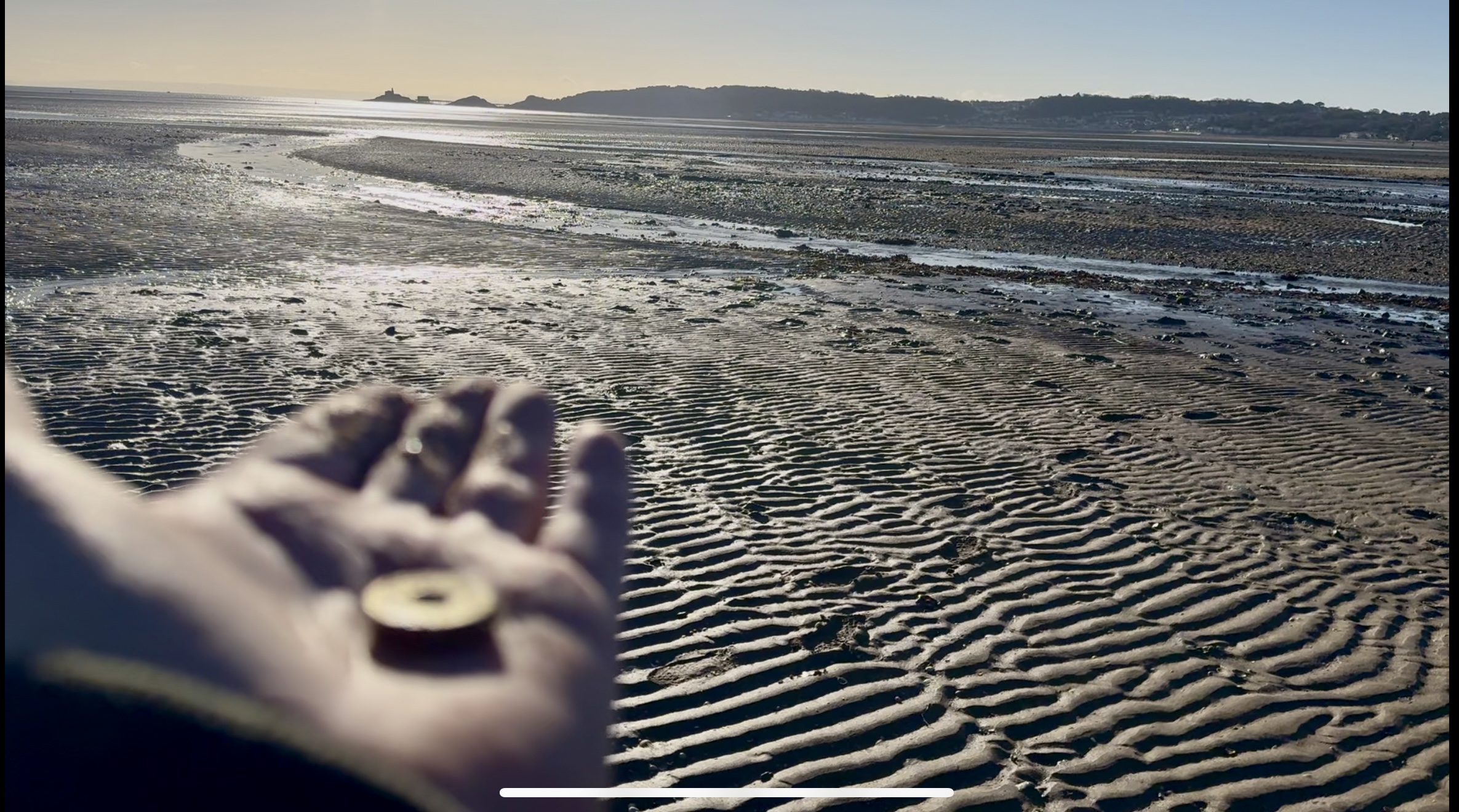
Why Do You Need a Permit Off Swansea Council?
It’s probably Swansea Council’s way of keeping tabs on the number of detectorists who are allowed to detect on their land and beach, and I think it’s a great way for them to keep an eye on who is detecting as it helps to promote this amazing hobby that see no problem in wanting people to do it that they have a specialised events team to help support us.
How Do I Get a Metal Detecting Permit From Swansea Council?
All you have to do in order to obtain a permit or a permission letter from the special events team at Swansea council which deals with these things and issues these permits, is to go to this website and apply for a permit. Make sure you read all the relevant information and even the terms and conditions, which can be found here, before agreeing to sign up for anything.
What If I Don't Get a Permit?
If you don’t decide to get a permit, you run the risk of possibly getting fined and ruining it for everyone else, which is just plain selfish and downright stupid when it’s free and doesn’t cost you a penny to get one, just your time.
Having one gives you more access to free parks and areas of Swansea that will keep you busy for the next few years, so I think it’s definitely worth your while in getting one.
What Are The Main Requirements to Get a Permit?
You just need to sign up for a year or more worth of membership costing £8 from NCMD (National Council for Metal Detecting) and get your membership, which gives you access to club digs and events, and also provides you with much-needed PUBLIC LIABILITY INSURANCE, which is what the council needs to see and most club digs if you ever wish to go on one.
So they need to see proof of your membership of the NCMD, or the other one, AMDS (Association for Metal Detecting Sport).
So Swansea council requires just these couple of things to get a free metal detecting permit
- Proof of NCMD Membership/insurance
- Up-to-date recent photo
That’s it! So all you need to do is sign up for the NCMD membership, which every metal detectorist should do anyone to learn the basics and get themselves acquainted with all the jargon, the code of conduct, how PAS (Portable Antiquity Scheme) works in the UK and how to gain access to your local FLO (finds Liason Officer) who will be happy to take your treasure off you.
Who Is The FLO (Finds Liason Officer) For Swansea?
Nicola Kelly is the FLO (finds liaison officer), and if you ever find something you think is treasure then she is the lady you need to speak to and she can be found by emailing her via (Nicola Kelly Nicola.Kelly@museumwales.ac.uk)
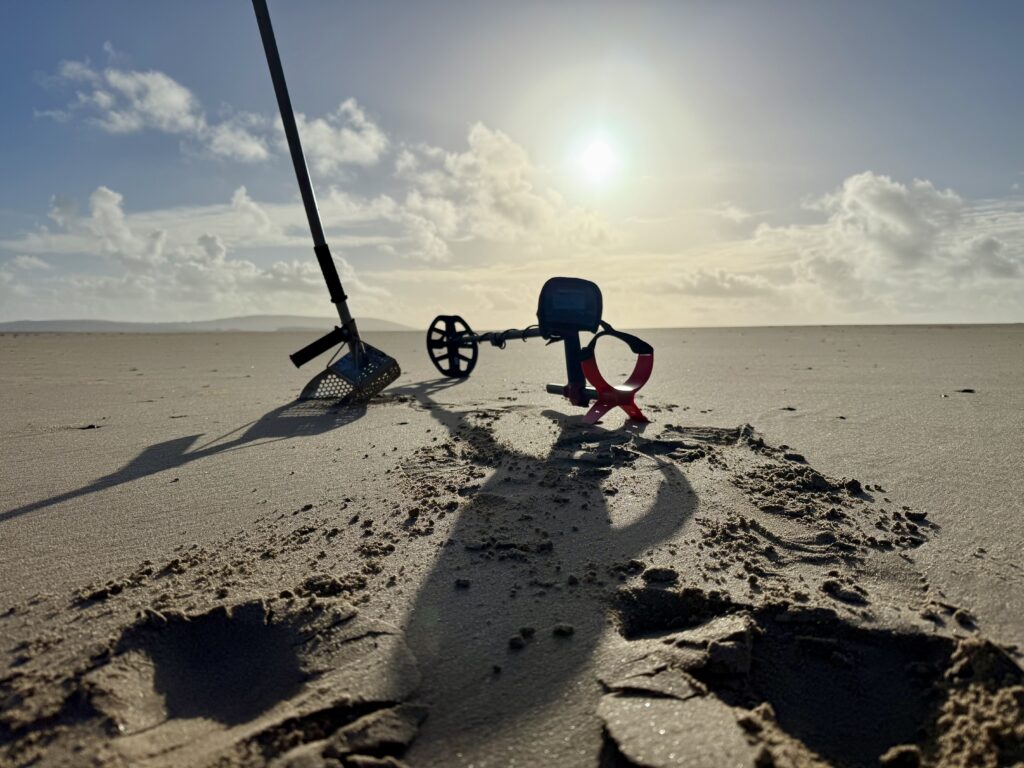
5 Reasons To Get a Metal Detecting Permit Off Swansea Council
- It’s a legal requirement on council-managed land. Swansea Council runs a permit scheme for metal detecting on its land (which includes Swansea Bay, many of the beaches, and public parks).
- Protects council assets, wildlife and public spaces. The permit terms require detectorists to backfill holes, avoid damage to turf, plants, or wildlife, and minimise disruption — helping preserve the natural and public environment.
- Ensures finds are recorded properly and responsibly. Under the permit rules, any coins or objects found must be reported, made available to the Council (which may pass them to a museum), and handled in accordance with the legal framework (such as the Treasure Act 1996).
- Clarifies land-ownership and permission, avoiding trespass issues. Many beaches and parks are not part of the general “foreshore” where free detecting may be allowed — they are managed by the Council. Detecting without permission in those areas would likely be trespass.
- Helps protect archaeological heritage and complies with heritage laws. Some areas may be sensitive because of historic interest, and uncontrolled digging can damage archaeological context. Responsible detecting under permit ensures you abide by conservation protocols and legal obligations.
The Perks You Get From Having a Permit
1. Peace of mind – you can detect without worry
With a permit, you don’t have to second-guess whether you’re allowed on a particular beach or park. You avoid potential confrontation with wardens, fines, or being asked to stop.
2. Access to more land than non-permit holders
Swansea Council-managed beaches and parks are normally off-limits without permission. A permit opens up many popular areas that would otherwise be restricted, giving you far more detecting opportunities.
3. You’re recognised as a responsible detectorist
Having a permit puts you in the category of detectorists who follow rules, cover their holes, report finds properly, and care about the environment. This reputation often helps if you ever want extra permissions (e.g., from landowners or clubs).
4. Better chance to keep your finds
Because you’re working under an authorised system, there’s a clear process for handling finds. For most non-treasure items, you can usually keep them once logged if required. Things are far simpler compared to detecting without permission.
5. It protects your hobby long-term
When detectorists follow permit rules and avoid damage to parks/beaches, councils are more likely to keep the permit scheme active, rather than banning detecting entirely. Your compliance helps preserve access for everyone.

Final Thoughts...
Securing a free metal detecting permit for Swansea’s beaches, parks, and the Gower coastline is one of the simplest ways to enjoy the hobby responsibly while unlocking far more opportunities to explore. Not only does the permit keep you fully compliant with local regulations, but it also gives you peace of mind, protects the environment, and helps preserve access for future detectorists. By following Swansea Council’s guidelines, you demonstrate that you’re part of a community committed to responsible metal detecting – one that respects the land, records its finds correctly, and leaves every site in good condition.
For beginners and experienced detectorists alike, the benefits are clear: a free permit means more places to search, fewer restrictions, and a safer, smoother experience overall. If you’re planning to detect in Swansea Bay, local parks, or parts of the Gower Peninsula, taking a few minutes to apply for the permit is a small step that delivers long-term rewards.
Do your hobby a favour – get the permit, follow the rules, and enjoy the rich history waiting beneath Swansea’s sands.
Darren Protheroe is the owner and creator of Wishful Detecting and aims to help share everything useful in the world of metal detecting and share all the best tips for beginners and share his mad adventures while on the road. Happy digging with me!