
Ownership, Crown Estate Status & Swansea Council Permission Explained
Metal detecting on beaches is one of the most popular forms of the hobby in the UK, and Langland Bay in Gower, Swansea, is often asked about by detectorists due to its long history, tidal movement, and public access.
However, the question comes up time and time again:
Can you legally metal detect at Langland Bay – and is it Crown Estate land?
The short answer is:
✅ YES – metal detecting at Langland Bay is legal if you have permission from Swansea Council.
The longer answer (and the one that really matters) involves understanding land ownership, foreshore rules, Crown Estate permissions, and local council regulations – all of which we’ll cover in full detail below.
This guide is designed to be the most complete, up-to-date explanation for anyone considering metal detecting at Langland Bay after spending a long time on the phone to Swansea City Council to help clear things up, once and for all.
Can’t Be Arsed To Read All This? Try My New Beach Permission Checker Tool
🏖️ Beach Metal Detecting Permission Checker
Select a beach below to see whether metal detecting is allowed, who manages the land, and whether you need a permit or written permission.
This tool provides guidance only and does not replace written landowner permission.
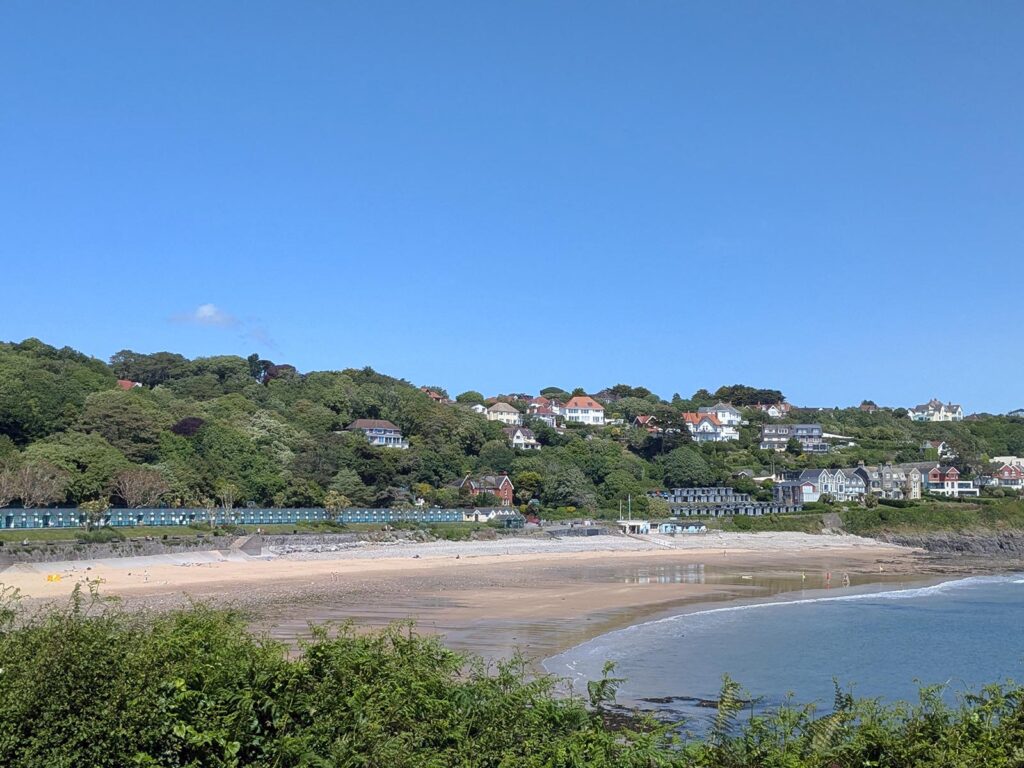
Where Is Langland Bay?
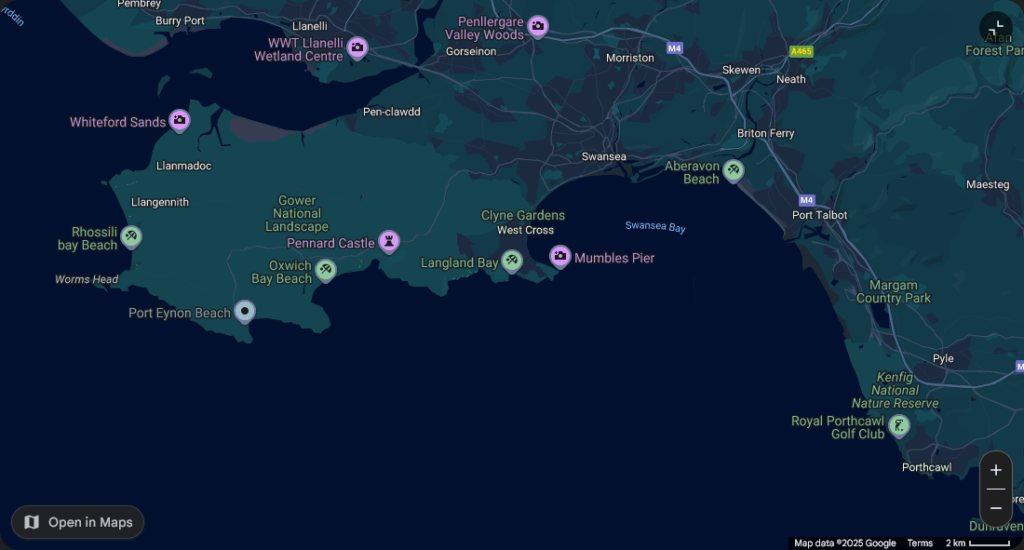
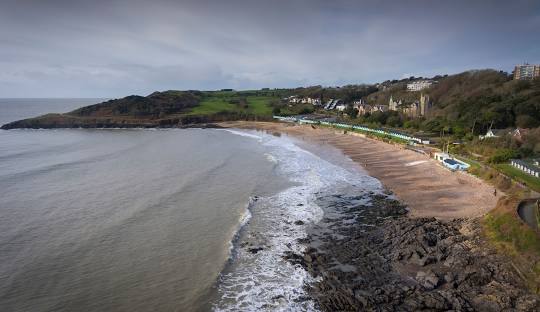
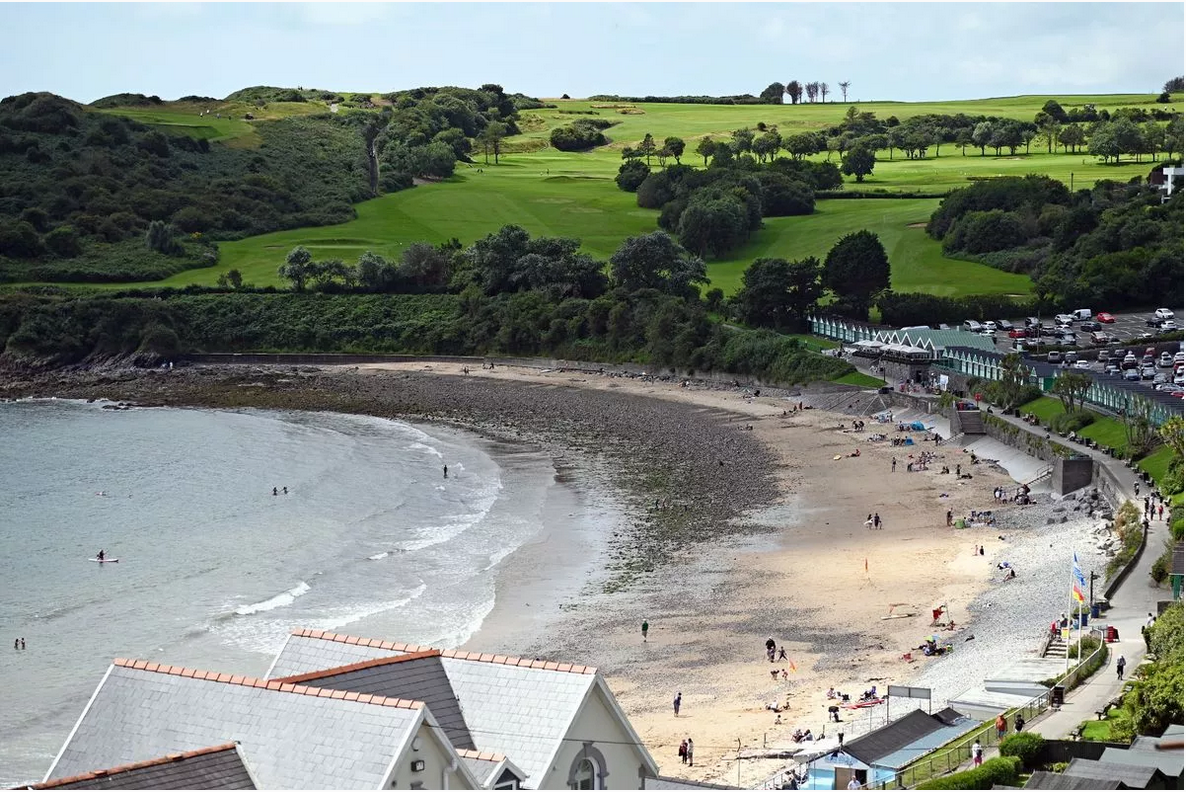
Langland Bay is located on the Gower Peninsula, just outside Swansea, South Wales. It’s one of the most popular beaches in the area, known for:
-
A wide sandy bay
-
Strong tidal movement
-
Victorian-era development
-
Long-standing tourism history
-
Heavy footfall during the summer months
All of these factors make it appealing to metal detectorists like myself, but they also mean Swansea City Council closely manages the land. Plus, it’s very popular for surfers who love to test out their skills on the awesome waves down there.
Who Owns Langland Bay?
The Most Important Thing to Understand
Metal detecting in the UK is never a public right — it is always dependent on landowner permission.
At Langland Bay, ownership breaks down into different zones, each with different rules.
Is Langland Bay Crown Estate Land?
The Honest Answer: Partially — but not in the way many people think
In England and Wales, the Crown Estate often owns the foreshore, which is the land between mean high water and mean low water.
However:
-
Not all beaches are fully Crown Estate
-
Ownership can be split
-
Management may still sit with the local authority
At Langland Bay, the promenade, beach access points, and much of the beach above the high-tide line are managed by Swansea Council.
Even where the foreshore may technically fall under the Crown Estate, local authority control and by-laws still apply.
⚠️ This is critical:
Just because the Crown Estate allows metal detecting on some foreshore land does not override Swansea Council regulations.
Swansea Council: The Key Authority at Langland Bay
This Is the Authority That Matters Most
For practical, legal metal detecting, Swansea Council is the body you must deal with.
Swansea Council:
-
Manages Langland Bay as a public beach
-
Enforces local by-laws
-
Controls activities such as:
-
Digging
-
Disturbing land
-
Use of equipment
-
-
Requires permission for metal detecting on council-owned land
👉 Without Swansea Council permission, metal detecting at Langland Bay is NOT legal.
So Can You Metal Detect at Langland Bay?
✅ YES — If You Have Permission from Swansea Council
This is the correct, legally sound answer.
Metal detecting is allowed at Langland Bay only when:
-
You have explicit permission or a permit from Swansea Council
-
You follow council conditions
-
You comply with UK heritage laws
Without permission, you risk:
-
Being asked to leave
-
Equipment confiscation
-
A fine
-
Potential prosecution under local by-laws
Why Swansea Council Permission Is Required
Many detectorists assume beaches are “free land”. They are not.
Swansea Council has a duty to:
-
Protect public safety
-
Preserve archaeology
-
Prevent damage to public land
-
Enforce environmental protections
-
Manage tourism areas
Metal detecting involves digging, which is why it is regulated.
What About the Crown Estate’s “Permission”?
The Crown Estate does allow recreational metal detecting on some foreshore land without a formal licence, provided detectorists follow their rules.
However:
-
The Crown Estate does not override council by-laws
-
The Crown Estate does not manage Langland Bay day-to-day
-
Swansea Council still has enforcement authority
🔴 Relying on Crown Estate permission alone is NOT enough at Langland Bay.
Areas of Langland Bay You CANNOT Detect Without Permission
Without Swansea Council approval, you must avoid:
-
Dry sand above the high-tide line
-
Areas near the promenade
-
Dunes or grassed areas
-
Beach huts and access points
-
Any area marked with by-law signage
These areas are clearly council-managed land.
Protected Status & Archaeology Considerations
Langland Bay sits within the wider Gower Area of Outstanding Natural Beauty (AONB).
While the beach itself is not a Scheduled Monument, Wales has strict heritage protection laws.
You must comply with:
-
The Treasure Act 1996
-
Portable Antiquities Scheme (PAS) reporting
-
Cadw regulations (Welsh heritage body)
Failing to report finds can result in prosecution.
What Happens If You Find Treasure?
Under the Treasure Act 1996, you must report finds that include:
-
Gold or silver objects over 300 years old
-
Coin hoards
-
Objects associated with burials
-
Certain prehistoric items
Even with permission to detect, you do not own treasure automatically.
How to Get Permission from Swansea Council
Step-by-Step Overview
While policies can change, the general process is:
-
Ask about metal detecting permission on council-managed beaches
-
Request:
-
Written permission
-
A permit (if required)
-
-
Agree to conditions such as:
-
Filling holes
-
No detecting near structures
-
Reporting finds
-
Detecting only at certain times
-
Some councils issue temporary or limited permits.
Typical Conditions You Must Follow
If permission is granted, expect rules like:
-
Hand tools only
-
No deep digging
-
No detecting during busy summer hours
-
No detecting near dunes or sea defences
-
Remove all rubbish found
-
Leave the beach as you found it
Failure to comply can result in the permit being revoked.
Best Times to Detect On Langland Bay (With Permission)
If approved, the best conditions are usually:
-
Early mornings
-
Winter months
-
After storms
-
Low tide windows
-
Quiet weekdays
This also reduces public complaints.
Common Myths About Detecting at Langland Bay
❌ “All beaches are Crown Estate so it’s allowed”
False.
❌ “I can detect below the high tide line without asking”
False at Langland Bay.
❌ “Everyone does it so it must be legal”
Also false.
✅ “You need Swansea Council permission”
Correct.
Penalties for Detecting Without Permission
Potential consequences include:
-
Being removed from the beach
-
Fixed penalty notices
-
Confiscation of equipment
-
Prosecution under council by-laws
-
Being banned from future permissions
Not worth the risk.
Responsible Detecting Protects the Hobby
Unpermitted detecting:
-
Gives the hobby a bad reputation
-
Leads to blanket bans
-
Causes councils to tighten restrictions
Responsible detectorists ask first.
What About Metal Detecting on Other Local Swansea & Gower Beaches?
Langland Bay isn’t the only beach detectorists ask about in South Wales. The Swansea and Gower coastline is packed with popular beaches, each with different ownership, rules, and permission requirements.
Just like Langland Bay, metal detecting is never automatically allowed on these beaches. In most cases, you will still need permission from Swansea Council or the relevant landowner, even if parts of the foreshore fall under the Crown Estate.
Below is a quick overview of other commonly searched local beaches, all of which will be covered in detail on WishfulDetecting.com.
Metal Detecting Swansea Beach (Swansea Bay)
👉 Read more:
Metal Detecting Swansea Beach – Is It Legal?
Expect strict council control, especially near promenades and busy areas.
Metal Detecting Caswell Bay
Caswell Bay is one of the most popular beaches on the Gower Peninsula and is closely monitored.
👉 Full guide (coming soon):
Can You Metal Detect at Caswell Bay?
Permission is typically required due to:
-
High foot traffic
-
Environmental protections
-
Council management
Metal Detecting Bracelet Bay
Located near Mumbles, Bracelet Bay has rocky areas and limited sand but still attracts detectorists.
👉 Learn more:
Metal Detecting Bracelet Bay – Rules & Permissions
As with other Swansea beaches, Swansea Council permission is key.
Metal Detecting Pwlldu Bay
Pwlldu Bay is quieter and more remote, but that doesn’t mean it’s unregulated.
👉 Read the full breakdown coming soon:
Metal Detecting Pwlldu Bay – What You Need to Know
Despite its secluded feel, detecting here still requires landowner or council consent.
Metal Detecting Oxwich Bay
Oxwich Bay is a long, sandy beach and a common search term for detectorists.
👉 Full legal guide coming soon:
Metal Detecting Oxwich Bay – Legal or Not?
Parts of Oxwich involve:
-
Council-managed land
-
Private land
-
Environmental designations
Permission is essential, and you can try to obtain permission from the owners of the Penrice estate, which is rarely granted, but nothing ventured, nothing gained.
Metal Detecting Rhossili Beach
Rhossili Bay is one of the most famous beaches in Wales and comes with added restrictions.
👉 Detailed article coming soon:
Metal Detecting Rhossili Beach – The Legal Truth
Due to:
-
National Trust involvement
-
Conservation status
-
Archaeological sensitivity
Detecting without permission is strongly discouraged.
Metal Detecting Three Cliffs Bay
Three Cliffs Bay is another highly protected and photographed area on the Gower.
👉 Full guide coming soon:
Metal Detecting Three Cliffs Bay – Permissions & Rules
This area is particularly sensitive due to:
-
Dunes
-
Historical features
-
Environmental protections
This place is strictly off limits to all detectorists as it’s owned by the National Trust and they will never allow you on their land.
Final Verdict: Can You Legally Metal Detect at Langland Bay?
✅ YES — WITH PERMISSION FROM SWANSEA COUNCIL
To be absolutely clear:
-
Langland Bay is largely managed by Swansea Council
-
Some foreshore may involve the Crown Estate
-
Council permission is still required
-
Detecting without permission is not legal
If you want to detect Langland Bay properly, legally, and without hassle:
Get written permission or a permit from Swansea Council first.
Bottom Line
Get a frigging free metal detecting permit off Swansea City Council now before they start charging for them or before you get fined or cock it up for the rest of us.
Quick FAQ
Is Langland Bay Crown Estate?
Partially foreshore, but council rules still apply.
Can I metal detect there legally?
Yes — with Swansea Council permission.
Do I need a permit?
In most cases, yes or written authorisation.
Can I detect at low tide only?
Only if permission allows it.
Have you ever found anything down there?
Yes, plenty of goodies have been found by myself.
Would you recommend Langland Bay to everyone?
No, Swansea beach is much better in my eyes.
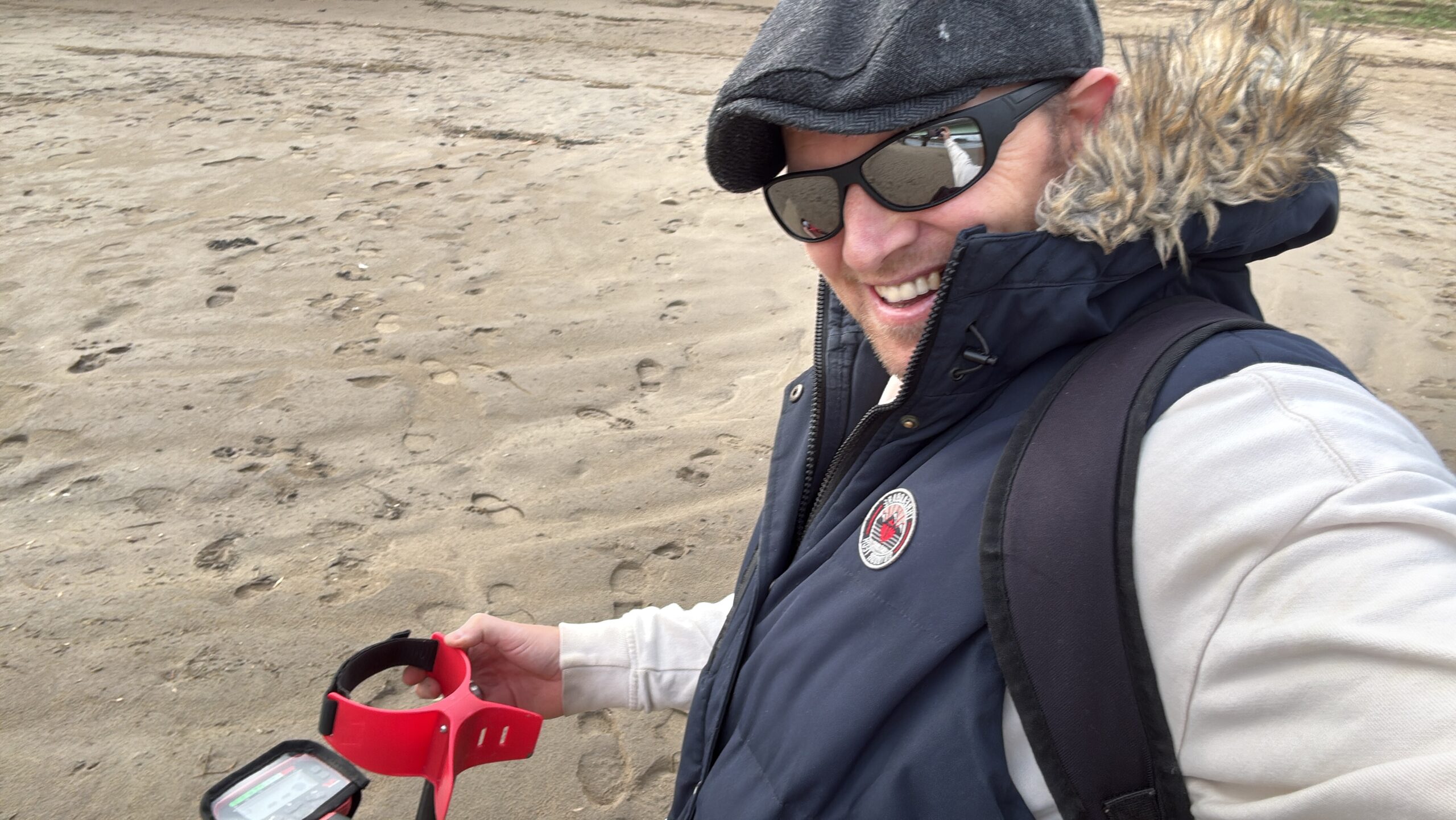
Darren Protheroe is the owner and creator of Wishful Detecting and aims to help share everything useful in the world of metal detecting and share all the best tips for beginners and share his mad adventures while on the road. Happy digging with me!